
Have you ever noticed how everyone in your home ends up in the kitchen, even when there’s a perfectly good living room next door? Or how your teenagers seem to disappear into their rooms, only emerging for food?
It’s not a coincidence. The very walls, doorways, and open spaces in our homes are quietly shaping our family dynamics every single day. The layout of your home isn’t just an aesthetic choice; it’s a script for how you connect, communicate, and feel together, or apart.
Let’s explore the psychology behind home design and find the perfect fit for your family.
The science of space
There’s a fascinating field of study on how space affects our relationships. A key finding is simple: physical closeness encourages emotional closeness. When we share a space, we exchange more smiles, eye contact, and spontaneous chats, all of which build stronger bonds.
One landmark study from Brigham Young University found that a family’s feeling about their space was more important than its actual size. Families who felt either too cramped or too spread out and isolated reported lower emotional well-being. The key is balance.
Let’s look at the two most common layouts and how they impact that balance.
The open-plan layout
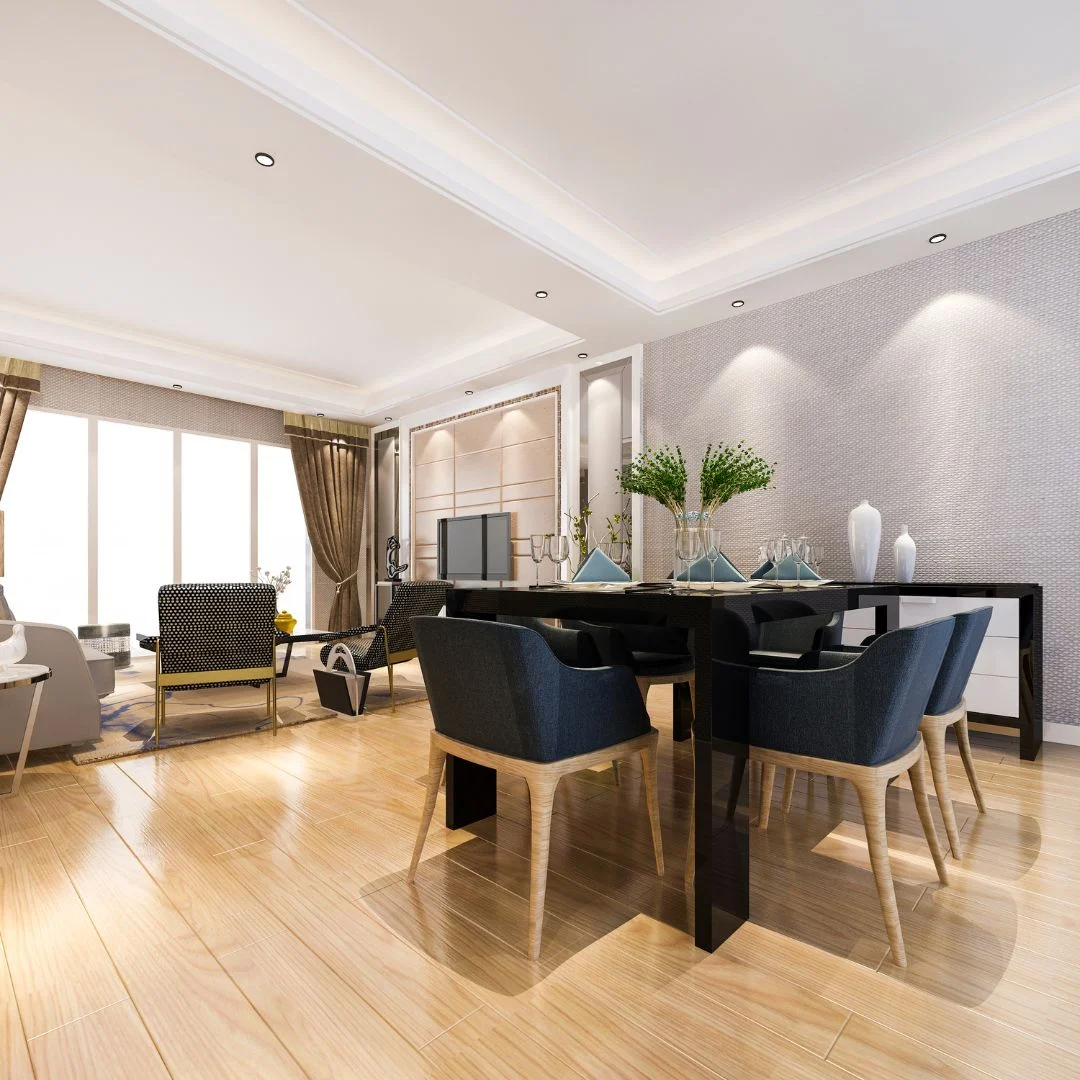
This is the popular modern design where the kitchen, dining room, and living room merge into one large, airy space.
Pros that Support Bonding:
- Constant connection: This layout creates a constant visual and verbal connection. Parents can cook while helping with homework, siblings can interact across different zones, and no one feels cut off. It naturally creates a social hub.
- Shared experiences: It encourages informal, spontaneous conversations that might not happen otherwise. Life unfolds together, fostering a strong sense of unity.
- Light and mood: With fewer walls, natural light flows freely, which is proven to improve mood and create a more positive atmosphere for everyone.
Cons to Consider:
- The challenge of noise: The biggest drawback is that sound travels everywhere. The clatter of pots, the TV, and multiple conversations all compete, making concentration difficult.
- Lack of privacy: For teenagers needing their own space, a parent working from home, or anyone just wanting a quiet moment to read, an open-plan layout offers nowhere to hide. This can become a source of friction.
- Clutter is always on display: With no walls to conceal a messy corner, maintaining order is essential. Visual clutter can easily lead to mental overload and stress.
The Segmented Layout
This is the traditional layout with separate, distinct rooms for every function—a separate kitchen, a separate dining room, a separate living room.
Pros that Support Privacy:
- Clear Boundaries: Each family member can have their own dedicated space for individual activities. This is excellent for focus, quiet time, and personal routines.
- Noise Control: Walls are fantastic sound barriers. This layout allows multiple activities (like cooking, watching TV, and studying) to happen simultaneously without disturbing each other.
- Organized Living: It’s easier to keep the home tidy, as mess can be contained within specific rooms.
Cons to Consider:
- Reduced Spontaneity: With everyone in their separate zones, you lose the opportunity for casual, unplanned interactions. Communication becomes more intentional and less organic.
- Feeling Disconnected: Too much separation can make family members feel emotionally distant. Long corridors and closed doors can unintentionally create a feeling of isolation.
“The most effective home layouts let families connect easily while still offering refuge when needed.”
The “broken-plan” or hybrid home
So, what’s the solution? Architects and psychologists now champion a hybrid approach, often called a “broken-plan” layout. It seeks to balance connection with privacy.
Create zones, not walls: Use half-walls, large bookcases, distinct furniture arrangements, or even decorative screens to divide a large space without closing it off completely. This maintains lines of sight while creating functional zones.
Conversation design: Arrange seating in a way that encourages interaction. For example, sofas and chairs placed in a semi-circle make conversation feel natural, unlike seating arranged in a straight line facing a TV.
Have a “retreat” space: Even in an open-plan home, try to have at least one small, enclosed space, a small study, a cosy reading nook, or even just a comfortable armchair in a quiet corner, where a person can retreat for privacy.
Practical layout tips for Nigerian families
Choosing a layout in Nigeria involves unique cultural and practical considerations that go beyond the standard pros and cons.
The visitor’s parlor vs. the family living room: Many Nigerian homes traditionally have a formal parlor for receiving guests, keeping them separate from the family’s private, informal living space. A segmented or hybrid layout is perfect for this, allowing you to entertain guests without disrupting the family’s comfort and privacy.
Designing for multi-generational living: With grandparents, parents, and children often living together, the layout must be flexible. This might mean having an accessible, en-suite bedroom on the ground floor for an elderly parent, while an open-plan family area encourages interaction between generations.
Heat, ventilation, and “NEPA wahala”: In our warm climate, airflow is key. A segmented layout with well-placed windows can create a cooling cross-breeze without relying on electricity. Conversely, a large open-plan space might be harder and more expensive to cool with a single air conditioning unit.
The kitchen is queen: In Nigeria, the kitchen is more than a place to cook; it’s the heart of the home. A layout that isolates the kitchen can ignore this reality. A hybrid design with a kitchen that opens into a small dining or family area works beautifully, acknowledging that cooking is a social activity.
Security is paramount: Your layout can impact your home’s security. Segmented layouts can create more secure “safe zones” within the house. An open-plan design offers fewer hiding places for intruders but may also expose the entire family at once. Consider this when planning window placements and access points.
Which layout is right for you?
| Layout Type | Communication | Privacy & Focus | Best For… |
| Open-Plan | High – Constant visibility and interaction. | Low – Hard to find private or quiet spaces. | Young families; those who entertain informally. |
| Segmented Layout | Moderate – Interaction is more intentional. | High – Excellent for study, rest, and focused tasks. | Young families, those who entertain informally. |
| Hybrid / Broken-Plan | Balanced – A great mix of shared and semi-private zones. | Good – Purposeful quiet areas without full isolation. | Most families offer the best of both worlds. |
The Bottom Line: There is no single “best” layout. Psychological research and practical experience show that family well-being thrives when people feel neither trapped together nor lost in isolation. The best home is one that lets your family connect easily, laugh loudly, and share life, while still offering everyone a quiet corner to call their own.
