
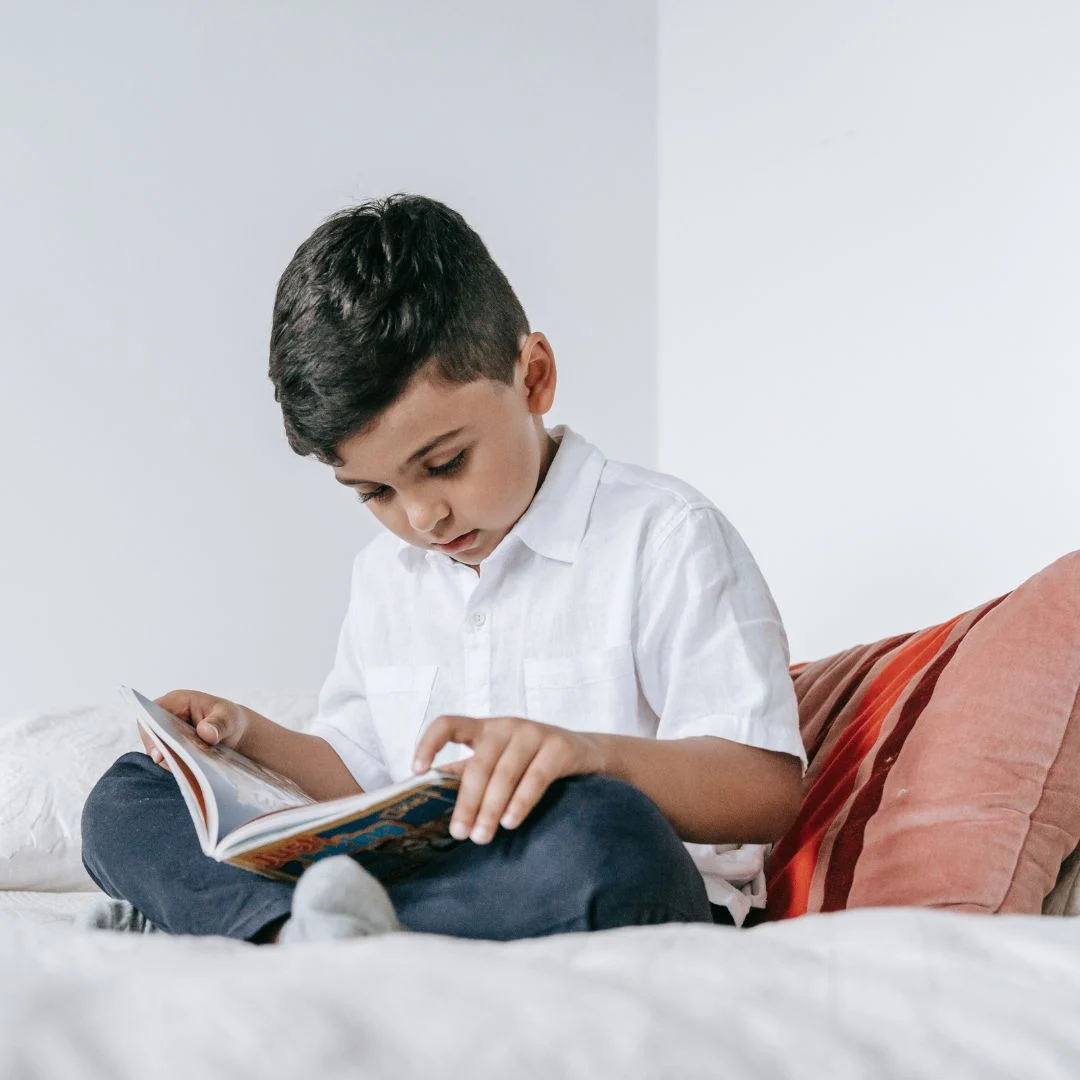
Every parent wants their child to succeed in school. So we buy textbooks, pay for lessons, monitor screen time, but often forget one thing: lighting.
Yes, lighting. It’s one of the most overlooked tools in your child’s learning environment. And yet, it affects everything, from how long they can focus to whether they enjoy reading at all.
You may not notice it at first, but poor lighting can lead to eye strain, constant squinting, or even complaints like “my head is aching” during homework time. On the flip side, good lighting can make reading feel easier, reduce stress, and support better focus, especially after long days at school.
Start with Lumens, not just watts
We grew up thinking brighter bulbs meant higher watts. But watts only measure energy use, not brightness. What you need to check is lumens, the true measure of brightness.
| Purpose | Recommended Lumens |
| General room lighting | 500-1,000 lumens |
| Study/task lighting | 1,000-1,500 lumens |
| Night light or soft lighting | 100-300 lumens |
Quick tip: If your child is reading or writing, aim for at least 1000 lumens from a focused light source like a desk lamp.
Use a mix of natural and artificial light
Natural light (sunlight) is always the best option. It’s free, reduces eye strain, and boosts alertness. If possible, set up the study table near a window, but make sure direct sunlight doesn’t cause glare on books or screens.
When natural light isn’t enough (especially in the evening or during NEPA wahala), you’ll need reliable artificial lighting. If a window isn’t an option, focus on making the artificial light feel as natural as possible. This is where choosing the right ‘Daylight’ bulb becomes even more crucial.
Choose the right bulb type and color temperature
There are three main light “colours” or temperatures to choose from, measured in Kelvin (K):
- Warm White (2700K–3000K): Soft and cosy. Great for relaxing, but not ideal for studying.
- Cool White (3500K–4100K): Balanced and neutral. Good for general use.
- Daylight (5000K–6500K): Crisp and closest to natural sunlight. Perfect for reading and learning.
For your child’s study area, use daylight bulbs, which improve focus and reduce drowsiness. You can get these from brands like Philips, Panasonic, Oraimo, Polystar, or even energy-saving Chinese brands available in local markets or on Jumia.
Lamp placement is just as important
Where you place the light can make or break its impact.
- Avoid ceiling light alone. It comes from above and behind, casting shadows from your child’s head and hands that strain the eyes.
- Use a focused desk lamp. Place it on the opposite side of your child’s writing hand (for left-handers, the light should be on the right side, and vice versa).
- Aim the light correctly. Point it downward onto the book or writing surface, not into your child’s eyes.
- Reduce glare. Use lampshades or frosted bulbs to diffuse the light, creating a soft, even glow.
The smart parent’s shopping list: great lighting under ₦10,000
You don’t need expensive imported fixtures. Here are some budget-friendly options perfect for the Nigerian home:
| Product | Use Case | Price Range |
| Rechargeable LED Desk Lamps | Perfect NEPA backup, often with adjustable brightness and colour. | ₦4,500 – ₦15,000 |
| Clip-On Study Lamps | Ideal for small spaces, bunk beds, or clipping onto a side table. | ₦17,000 – ₦20,000 |
| LED Bulbs (9W–12W Daylight) | For upgrading the main room or overhead light fixture. | $5 – $10 |
| Portable Rechargeable Lanterns | A versatile emergency light for when the main power is out. | ₦3,000 – ₦15,000 |
You can find these at Jumia, Konga, local electrical shops, or open markets in Alaba, Adeniji, Wuse, or Ikeja.
Bonus tips for parents
- Clean your bulbs and lamps regularly. A dusty bulb is a dim bulb.
- Avoid harsh fluorescent lights. Steer clear of old-school fluorescent tubes. They can flicker in a way that’s almost invisible but still causes headaches and eye fatigue, and their light quality is often poor for reading.
- Create a light routine. Using the same corner, the same lamp, and the same time for homework can help build a strong study habit.
Lighting may seem like a small detail, but it makes a big difference in your child’s learning journey. With just one well-placed lamp and the right bulb, you can create a peaceful, focused study zone that sets your child up for success, even in a one-room apartment or a busy household. Curious how sunlight affects your child’s brain? Check out our post on how natural lighting can boost intelligence.
